 English
 English
 Português
 Español

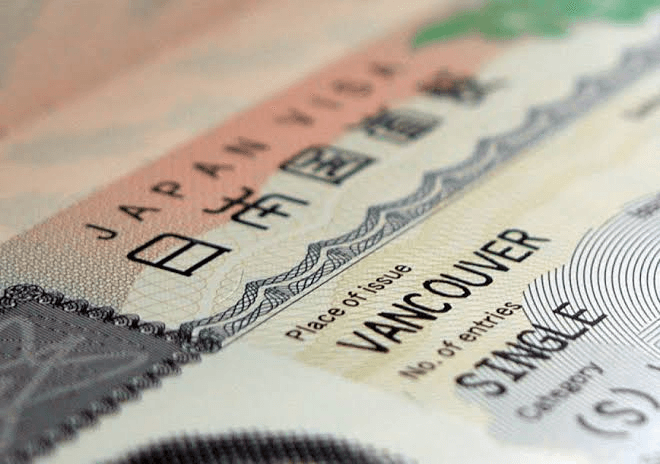
If you’re dreaming of working in Japan, you’ve probably come across the term “Visa Sponsorship” more times than you can count. It sounds official and a little intimidating but the concept is actually pretty simple once you break it down. Here’s what it really means, and what the process looks like in practice.
What “Sponsorship” Actually Means
First things first: sponsorship in Japan doesn’t mean a company is financially responsible for you the way the word might suggest elsewhere. In the context of Japanese immigration, it refers to the role your employer plays in vouching for your Status of Residence (zairyu shikaku), the legal category that determines what kind of work you’re allowed to do.
Japan doesn’t issue one catch-all “work visa.” Instead, immigration grants you a specific status based on the actual nature of your job, not just your job title. That means the day-to-day work you’ll be doing matters more than what’s written on your business card.
The Certificate of Eligibility (COE)
The centerpiece of the whole process is something called the Certificate of Eligibility, or COE. Here’s how it works:
- Your future employer (or their authorized representative) applies for the COE on your behalf through Japan’s Immigration Services Agency, while you’re still outside the country.
- The COE confirms that you meet the requirements for the visa category tied to your role.
- Once approved, you (or your employer) send the COE to you so you can apply for your actual visa at a Japanese embassy or consulate back home.
- With the COE in hand, this final step tends to move quickly; processing takes at least a few business days, though it varies by consulate.
Without a Japanese entity to sponsor the COE, companies generally can’t hire you directly for these visa categories, which is why so many job listings specify whether they offer sponsorship.
Common Visa Categories
There are several employment-based visa categories, and choosing the right one matters — switching later usually means a brand new application, not a simple update. A few of the most common:
- Engineer/Specialist in Humanities/International Services — the default category for most office jobs: IT, marketing, translation, sales, consulting, international business. Usually requires a university degree or a decade of relevant experience.
- Highly Skilled Professional (HSP) — a points-based system for people with strong qualifications, offering perks like a faster path to permanent residency.
- Specified Skilled Worker — for specific industries facing labor shortages, sometimes accessible without a university degree if you pass a skills test.
- Intra-company Transferee — for people transferring within the same company to a Japan office.
What the Process Looks Like, Step by Step
- Land a job offer from a company willing to sponsor you.
- Employer applies for your COE through Japan’s Immigration Services Agency.
- COE gets approved and sent to you.
- You apply for your visa at a Japanese embassy or consulate in your home country, COE in hand.
- You fly to Japan and receive your residence card upon arrival (or shortly after, depending on your entry point).
- You register your address at your local municipal office and enroll in social insurance.
Realistically, the whole journey from job offer to landing in Japan tends to take a couple of months, so it’s worth planning well ahead if you have a specific move-in date in mind.
Do You Need to Speak Japanese?
Not necessarily! It depends heavily on the industry and company. A lot of tech companies, international firms, and English-teaching positions operate primarily in English. That said, having at least conversational Japanese makes daily life and your job search considerably easier, and opens up far more opportunities.
A Few Tips
- When job hunting, look for listings that explicitly mention “visa sponsorship” or “visa support”; it saves you from wasting time on companies that can’t sponsor foreign hires.
- Start the process early. Between the job search, COE processing, and visa application, things can take a while, so don’t wait until the last minute if you have a deadline.
- Keep your paperwork consistent. Mismatches between your documents, your contract, and your actual day-to-day duties are one of the most common causes of delays.
Visa sponsorship can feel like a maze from the outside, but once you understand the logic behind it your employer vouching for the specific work you’ll be doing, it becomes a lot more manageable. If you’re currently studying in Japan and thinking about the jump to full-time work afterward, this is exactly the kind of thing worth researching early, before your student visa timeline starts closing in.
Understanding the system before you need it is what turns visa sponsorship from a source of stress into just another step on your path, and that’s exactly the kind of guidance we specialize in. Contact us today to learn more about our programs and take the first step toward your new life in Japan!