 English
 English
 Português
 Español

(©Julian Elliot)
Ramen is one of the most loved foods in Japan, and one of the easiest ways to eat well on a student budget. But the first time you step into a ramen shop and see the menu, it can feel overwhelming. The good news is that most bowls come down to one simple thing: the tare, the seasoning base that gives the soup its flavor. Once you know the main types, ordering becomes easy.
Shoyu Ramen (醤油): The Classic
(©Shen Chen)
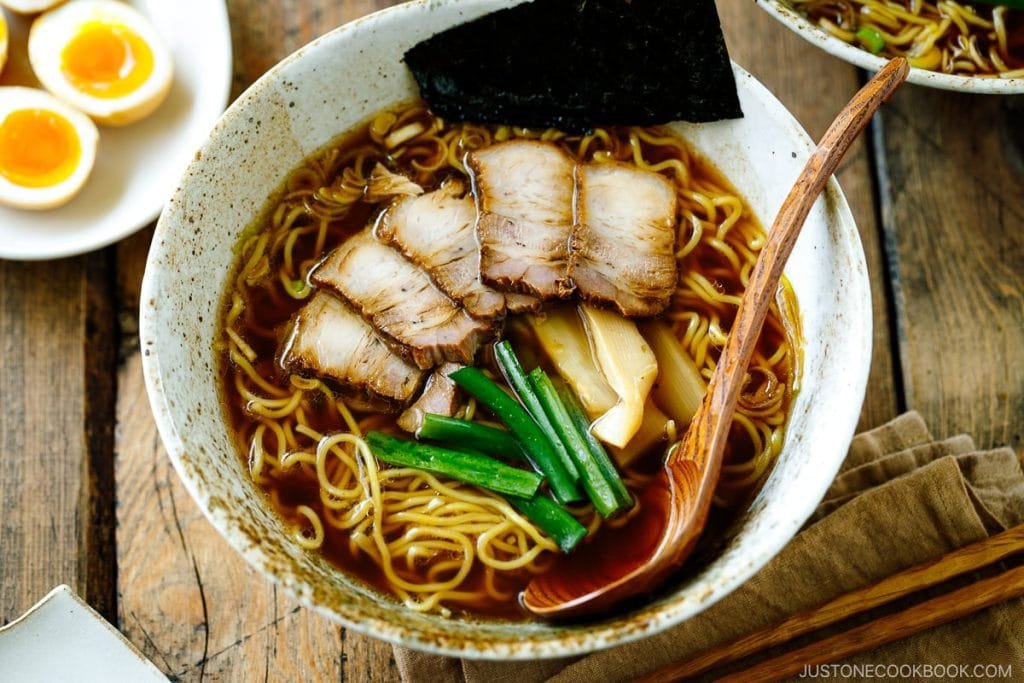
Shoyu means soy sauce, and shoyu ramen is often considered the “original” style, especially in Tokyo.
- Soup: a clear, brown broth made with chicken, pork or seafood stock, seasoned with soy sauce
- Flavor: savory, slightly tangy and well balanced, not too heavy
- Noodles: often medium-thin and curly
- Typical toppings: chashu (sliced pork), menma (bamboo shoots), green onion, nori and a boiled egg
If you are not sure where to start, shoyu ramen is a safe and delicious first choice.
Shio Ramen (塩): Light and Clean
(©Shen Chen)
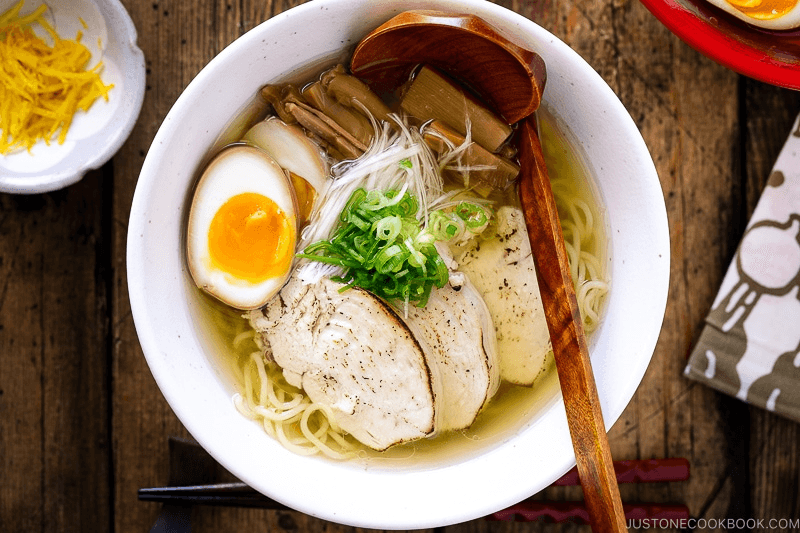
Shio means salt, and this is the lightest of the main styles.
- Soup: a pale, clear broth that lets the natural flavor of the ingredients shine
- Flavor: gentle, clean and refined, often with a subtle seafood or chicken taste
- Noodles: usually thin and straight
- Typical toppings: chashu, seaweed, green onion and sometimes seasonal vegetables
Shio ramen is a great choice if you prefer something less oily, or if you want to taste the craft of the broth itself.
Tonkotsu Ramen (豚骨): Rich and Creamy
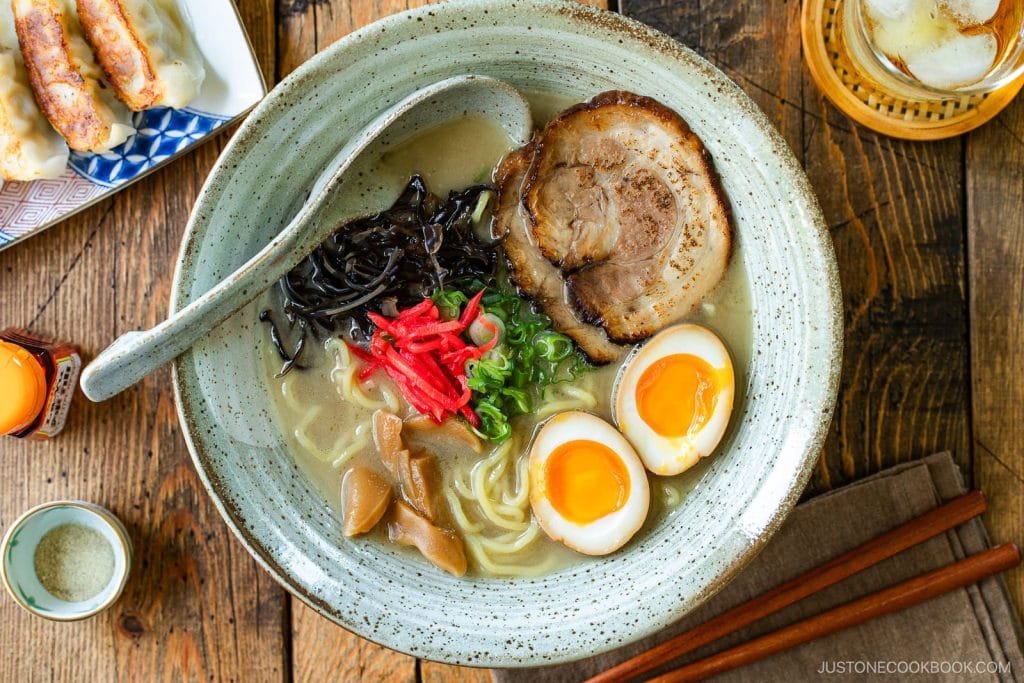
(©Shen Chen)
Tonkotsu means pork bones. The bones are simmered for many hours until the broth turns thick, creamy and milky white. This style is especially famous in Fukuoka, where it is known as Hakata ramen.
- Soup: a rich, opaque broth with a deep pork flavor
- Flavor: hearty, creamy and full of umami
- Noodles: thin and firm
- Typical toppings: chashu, kikurage (wood ear mushrooms), pickled ginger, sesame and green onion
Many tonkotsu shops let you choose how firm you want your noodles (try katame for firm) and offer kaedama, a refill of noodles you can add to the leftover soup.
And a Bonus: Miso Ramen (味噌)
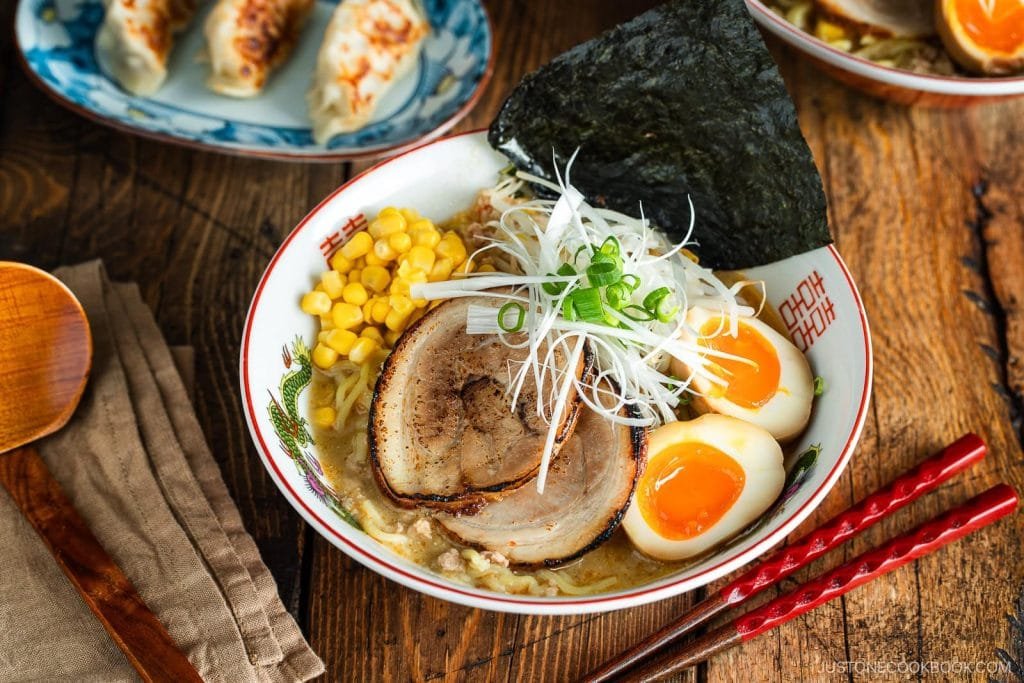
(©Shen Chen)
Miso ramen comes from Sapporo in Hokkaido. The broth is made with fermented soybean paste, giving it a bold, nutty and warming flavor, with thicker, curlier noodles. It is especially popular on cold days.
Quick Comparison
| Type | Broth | Flavor | Best for |
|---|---|---|---|
| Shoyu | Clear, brown | Savory, balanced | First-timers |
| Shio | Clear, pale | Light, clean | Those who like gentle flavors |
| Tonkotsu | Creamy, white | Rich, hearty | Big appetites |
| Miso | Cloudy, golden | Bold, warming | Cold days |
Tips for Your First Ramen Shop
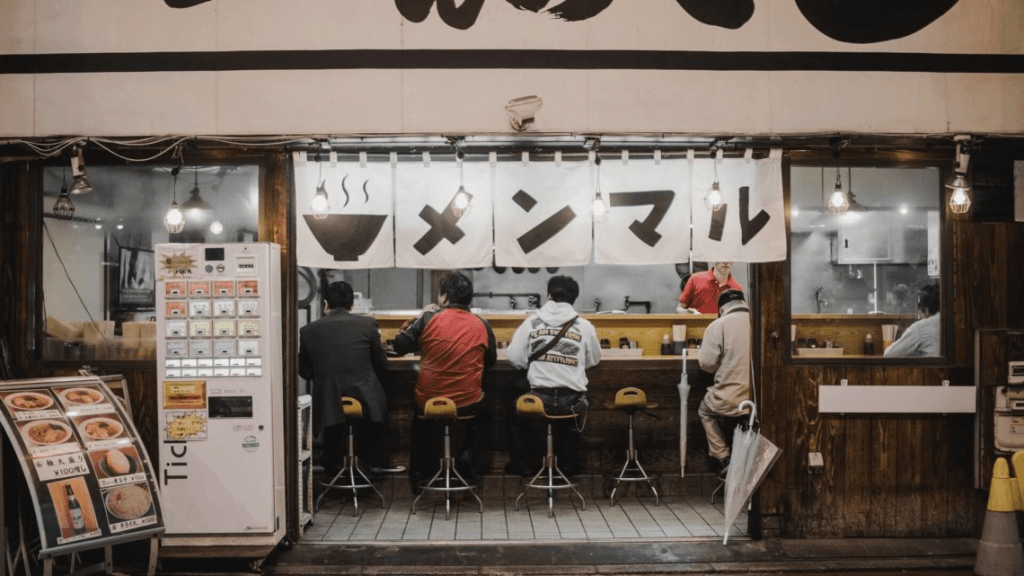
- Look for the ticket machine. Many shops ask you to buy a meal ticket at the entrance and hand it to the staff. Photos and sometimes English labels help you choose.
- Slurping is perfectly fine. It cools the noodles and is part of the experience.
- Eat quickly. Ramen is best when the noodles are firm, so enjoy it while it is hot.
- Customize your bowl. Many shops have garlic, pepper, chili oil or pickles on the counter.
- Try different shops. The same type of ramen can taste completely different from one restaurant to the next.
Final thoughts
Every bowl of ramen tells you something about the region, the chef and the season. Trying them all is a delicious way to explore Japan, one neighborhood at a time. If you are dreaming of finding your own favorite shop, we would love to hear from you.
Contact us to learn more about our programs and come taste it for yourself.