 English
 English
 Português
 Español

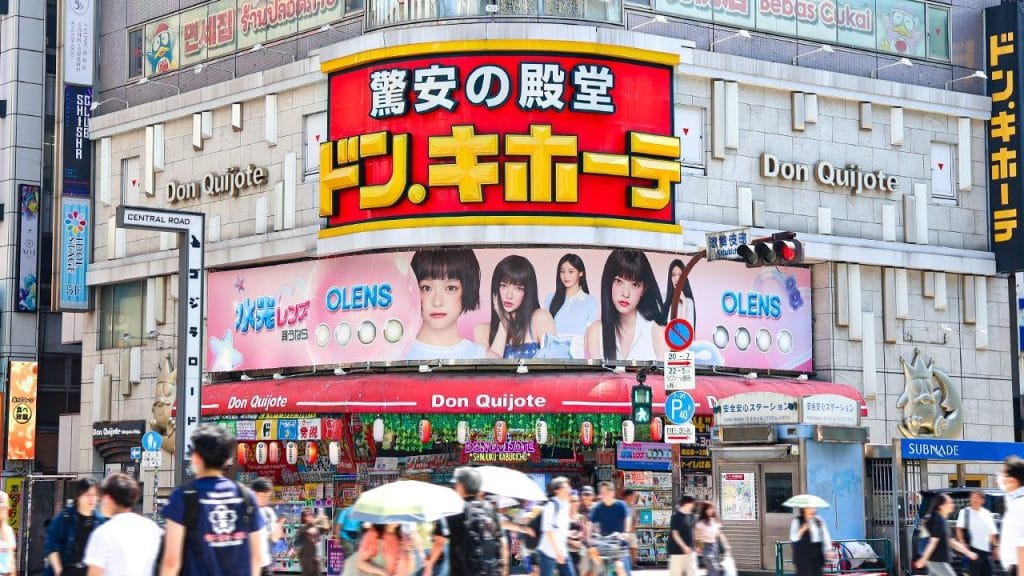
Being a foreign resident in Japan means constantly discovering new places that quickly become part of your daily routine, and for most of us, one of those places ends up being Donki. If you’ve been in Japan for even a short while, you’ve probably already heard someone say, “just check Donki, they’ll have it.” At first, I honestly thought that was an exaggeration. It wasn’t.
What is Donki?
Donki (ドンキ) is the nickname everyone uses for Don Quijote, a discount store chain that can be found pretty much everywhere in Japan — Shibuya, Shinjuku, Ikebukuro, Akihabara, and countless other neighborhoods all have at least one branch, sometimes several. The chain first opened back in 1989, and the idea behind it was simple: fit as many products as possible into one store, keep the prices low, and stay open as late as possible, sometimes even 24 hours a day. That formula clearly worked, because today Donki is one of the most recognizable store chains in the country.
My first time at Donki
I still remember walking into a Donki for the first time, a few weeks after arriving in Japan. I had gone in looking for a phone charger, and I left almost an hour later with a charger, a bag of snacks I couldn’t read the name of, a facemask sheet set, and a small Japan-themed keychain I definitely didn’t need. That’s the thing about Donki: you go in with a short list, and you come out having discovered five things you didn’t know you needed.
The store itself can be a little overwhelming at first. The aisles are narrow, the shelves are stacked all the way to the ceiling, and products are packed in from every possible angle. It’s not messy by accident, though — it’s actually a deliberate layout designed to make shopping feel like a treasure hunt, and it works. I’ve spent way more time than planned just wandering around, being curious about what was on the next shelf.
What can you actually find there?
Almost anything, honestly. On different visits, I’ve picked up:
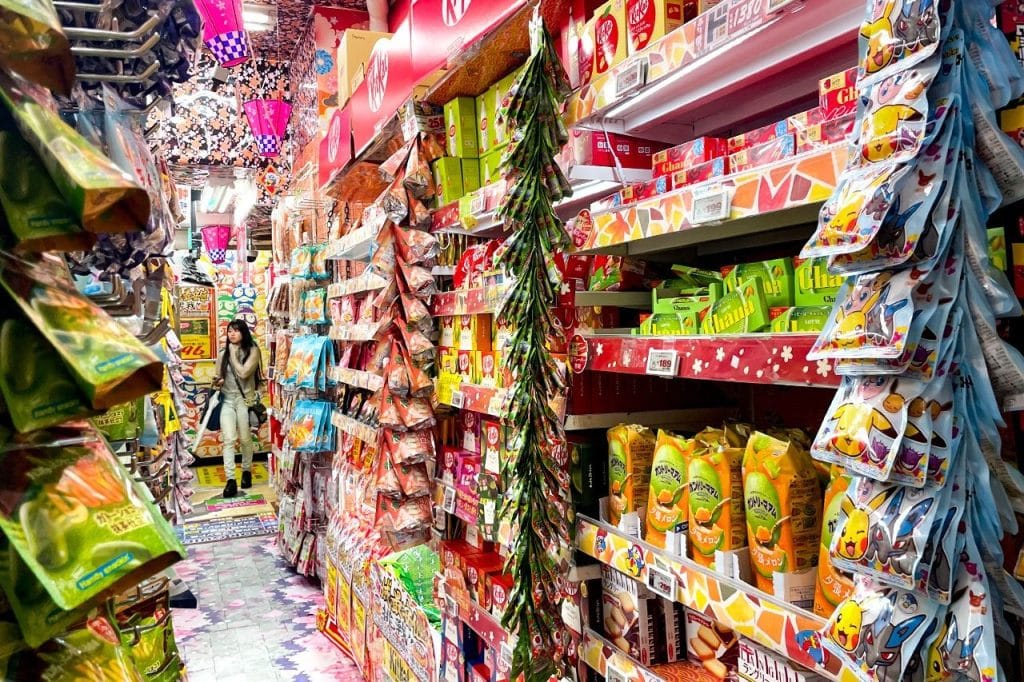
● Snacks and groceries, including a huge selection of instant ramen and candy
● Skincare and cosmetics, often cheaper than in specialty stores
● Small electronics like headphones, chargers, and kitchen appliances
● Seasonal items, like Halloween costumes or Christmas decorations
● Alcohol, at prices that are hard to beat
● Souvenirs and “only in Japan” novelty items
● Everyday household basics, from towels to stationery
If there’s something specific you need, checking Donki first before going anywhere else is honestly not a bad strategy.
A few things that make Donki, well, Donki
Beyond the sheer amount of products, there are some details that really shape the whole experience. There’s the store’s jingle, a catchy tune that plays on loop and that I now catch myself humming without even meaning to. There’s also Donpen, the store’s blue penguin mascot, who shows up on signs and products all over the place. And then there’s the fact that many locations never close, which has genuinely saved me more than once when I needed something at an odd hour and had nowhere else to go.
Tips if you’re visiting for the first time
● Don’t go in with a strict plan if you’re short on time — it’s very easy to lose track of time browsing
● Check the upper floors too; bigger stores often have multiple levels with different sections
● Prices aren’t always displayed clearly on packed shelves, so double-check before checkout
● If you’re a tourist, some locations offer tax-free shopping, so keep your passport handy
Donki isn’t just a place to run errands; it’s become one of those spots that quietly turns into part of your everyday life here. Between the late hours, the unbeatable variety, and the slightly chaotic charm of it all, it’s easy to understand why it’s earned its reputation as the store where everything can be found.
Ready to Have Your Own Donki Moment?
Donki has already got you dreaming about starting your own adventure in Japan, DEOW Japan is here to help make it happen.
We support students with school selection, application guidance, accommodation support, and everything you need to settle into life in Japan.