 English
 English
 Português
 Español

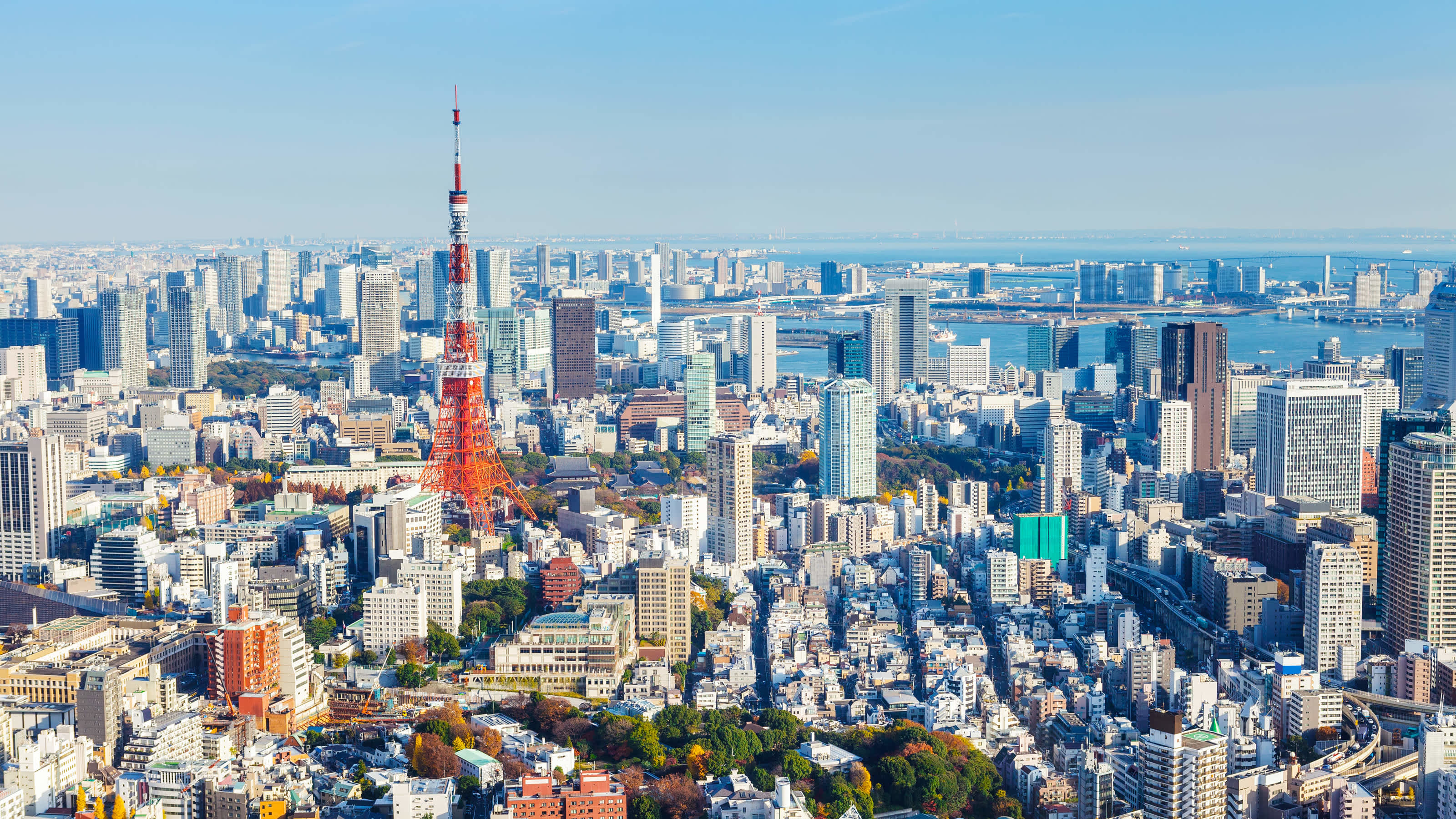
Tokyo isn’t really one city, it’s more like a collection of very different neighborhoods stitched together, each with its own personality, pace, and reason to visit. Trying to “see Tokyo” in one go can feel overwhelming, so here’s a breakdown of the areas worth knowing, what makes each one distinct, and who they’re best for.
Shibuya — Energy and Pop Culture
Shibuya is the Tokyo most people picture: the famous scramble crossing, endless neon, and a constant flow of people. It’s a hub for youth fashion, nightlife, and pop culture, with department stores, arcades, and some of the best people-watching in the city. Shibuya Sky offers one of the best rooftop views in Tokyo, and the area around Shibuya Station has been redeveloped extensively in recent years, adding new towers and observation decks. Best for: first-time visitors, nightlife, shopping, big-city energy.
Shinjuku — Tokyo’s Everything District
Shinjuku somehow manages to be a business district, an entertainment district, and a transport hub all at once. By day, it’s skyscrapers and the free observation deck at the Tokyo Metropolitan Government Building; by night, it’s the glowing alleys of Kabukicho and the tiny, atmospheric bars of Golden Gai. Shinjuku Station is also the busiest train station in the world, so budget extra time just to navigate it. Best for: nightlife, izakaya-hopping, skyline views, people who want a bit of everything in one area.
Harajuku — Youth Fashion and Quirky Cafes
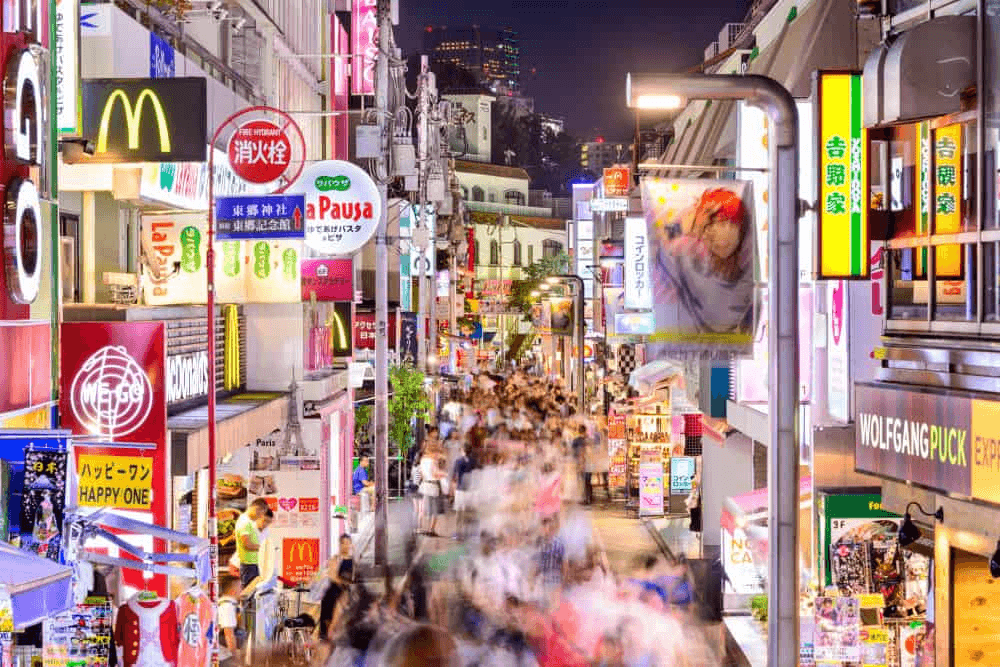
Just a short walk from Shibuya, Harajuku is Tokyo’s center for street fashion and youth culture. Takeshita Street is packed with colorful shops, crepe stands, and photo-worthy cafes, while the surrounding backstreets (Cat Street) offer a slightly calmer, more curated shopping experience. Right next door, Meiji Shrine offers a completely different pace, a qu iet forested shrine that feels a world away from the crowds outside. Best for: fashion, quirky trends, a mix of chaos and calm within a few minutes’ walk.
Asakusa — Old Tokyo
Asakusa is the neighborhood to visit for a sense of “old Tokyo.” Senso-ji, the city’s oldest temple, anchors the area, with the lively Nakamise shopping street leading up to it, lined with traditional snacks and souvenirs. The surrounding streets keep a slower, more traditional atmosphere than much of the city, and it’s a good base for river cruises along the Sumida River or views of Tokyo Skytree nearby. Best for: temples, traditional atmosphere, first exposure to “classic” Japan within Tokyo.
Akihabara — Anime, Manga, and Electronics

Akihabara is the center of otaku culture, anime, manga, video games, and electronics all concentrated into a few densely packed blocks. Multi-story shops sell everything from retro game consoles to figurines, and the area is also known for maid cafes and arcades. Even if anime isn’t your thing, it’s worth a walk through for the sheer density and specificity of the shops. Best for: anime/manga fans, gamers, electronics shopping, a very different visual atmosphere from the rest of the city.
Ginza — Upscale and Polished
Ginza is Tokyo’s answer to a luxury shopping district, think flagship department stores, high-end boutiques, and some of the city’s most refined dining. It has a more polished, quieter energy than Shibuya or Shinjuku, with wide, clean streets and (on weekend afternoons) some pedestrian-only sections. It’s also home to a growing number of contemporary art galleries and architecture worth seeing even if you’re not shopping. Best for: upscale shopping, fine dining, a calmer, more sophisticated pace.
Akasaka & Roppongi — Nightlife and Art
Roppongi has a reputation as Tokyo’s international nightlife district, with a dense cluster of bars and clubs, but it’s also home to some serious art: the Mori Art Museum, the National Art Center, and Roppongi Hills’ observation deck are all here, making it as much a daytime destination as a nighttime one. Neighboring Akasaka has a slightly more local, business-district feel, with excellent restaurants tucked into its side streets. Best for: art and museums, nightlife, city views.
Ueno — Museums and Parks
![Ueno Park Travel Guide] A Place to Feel Refreshed by Nature and Culture | GOOD LUCK TRIP](https://static.gltjp.com/glt/data/article/21000/20394/20230831_131736_902a620c_w1920.webp)
Ueno is Tokyo’s museum district, centered around Ueno Park, which houses the Tokyo National Museum, the National Museum of Nature and Science, and the Ueno Zoo, among others. The park itself is one of the best spots in the city for cherry blossoms in spring. Just next door, Ameyoko is a lively, market-style shopping street with a completely different energy, cheap eats, discount shops, and a bit of old-school hustle. Best for: museums, parks, cherry blossom season, a more local, less touristy shopping experience.
Shimokitazawa — Indie and Laid-Back
A favorite among locals, Shimokitazawa has a distinctly indie, bohemian feel, vintage clothing shops, small live music venues, secondhand bookstores, and a dense concentration of independent cafes. It’s compact and walkable, with a much slower pace than the major hubs. Best for: vintage shopping, a more “local” Tokyo experience, avoiding crowds.
Odaiba — Futuristic and Family-Friendly
Built on reclaimed land in Tokyo Bay, Odaiba has a completely different feel from the rest of the city, wide open spaces, shopping malls, and attractions like teamLab digital art museums, a giant Ferris wheel, and views back across the bay toward the Rainbow Bridge. It’s especially good for a half-day trip or for travelers with kids. Best for: families, digital art, a break from Tokyo’s density, sunset views over the bay.
Kichijoji — Tokyo’s Most Livable Neighborhood

Regularly ranked among the most desirable places to live in Tokyo, Kichijoji combines a relaxed, residential feel with excellent shopping and dining. Inokashira Park is a major draw, especially in cherry blossom season, and the neighborhood has a strong concentration of independent cafes, bookshops, and restaurants without feeling as touristy as central Tokyo. Best for: a local, livable vibe, parks, a slower-paced day trip from the center.
Putting It Together
Tokyo rewards picking a few neighborhoods per day rather than trying to cover everything at once. Most areas are only a short train ride apart, but each has enough personality to spend a half or full day in. A good rule of thumb: pair a “big energy” area (Shibuya, Shinjuku, Akihabara) with a calmer one (Asakusa, Ueno, Shimokitazawa) so the day doesn’t feel like nonstop sensory overload. Once you’ve got a feel for a few of these, branching out to the smaller, lesser-known neighborhoods becomes a lot easier, and honestly, that’s when Tokyo starts to feel a little more like a home base than a checklist of sights.
Finding your favorite corner of Tokyo is part of what makes this city feel like home rather than just a destination. Contact us today to learn more about our programs and take the first step toward your new life in Japan!