 English
 English
 Português
 Español

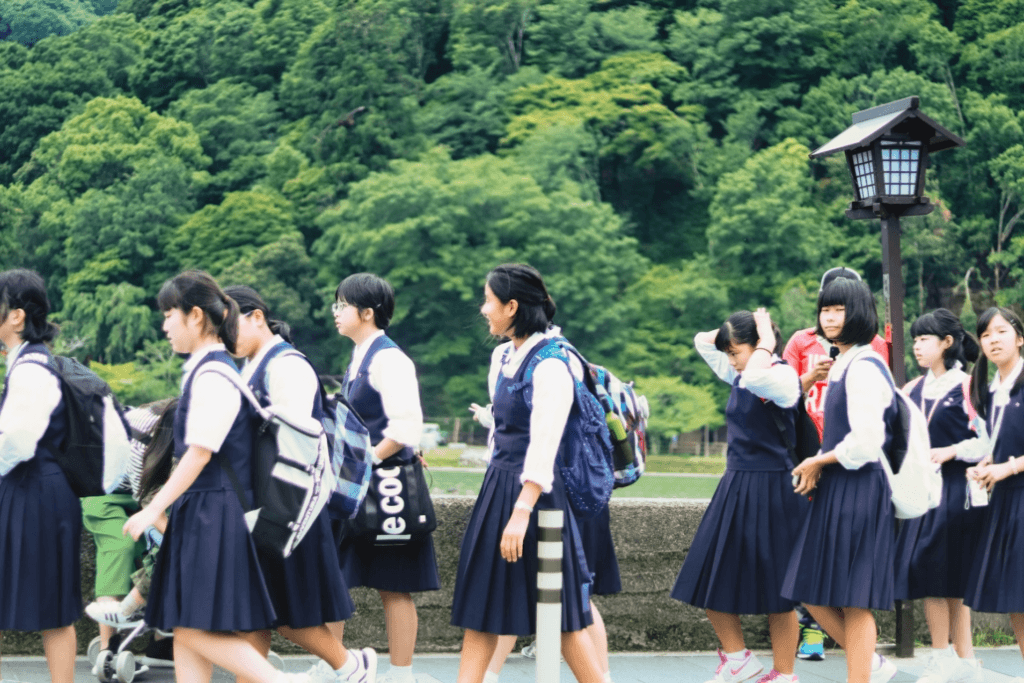
(© Stephanie Hau )
One of the things that surprised me most when I first arrived in Japan was how late the school day actually ends. Back home, the final bell basically meant the day was over. Here, for a lot of students, the bell is just the start of round two.
Bukatsu: the club life
If there’s one thing that defines after-school life in Japan, it’s bukatsu (部活), the school club system. Almost every student is in one, whether it’s a sports club like baseball, soccer, kendo, or judo, or a cultural club like brass band, calligraphy, or the tea ceremony club. And “club” doesn’t mean a casual hour once a week, it usually means practice almost every day, sometimes weekends included.
When I first heard how late some students stay for club activities, sometimes until 6pm or later, followed by homework once they finally get home, I honestly thought that was an exception, not the norm. It isn’t. For a lot of students, bukatsu is basically a second school day layered on top of the first.
The senpai-kohai system
One thing that makes bukatsu different from an after-school activity back home is the senpai-kohai (先輩後輩) dynamic inside the clubs. Older students, the senpai, are expected to guide and look out for the younger ones, the kohai, who in turn show them respect and often learn mostly by watching before they’re allowed to really participate. It’s less about age and more about seniority in the club itself, and it shapes how the whole group interacts, practice schedules, who speaks first in a group huddle, even how equipment gets passed around. For an outsider, it can look almost military at first, but it’s really a structure built around mentorship and loyalty that carries through into how a lot of Japanese workplaces operate later on.
Getting ready for bunkasai
Autumn brings another reason to stick around after class: the bunkasai (文化祭), or culture festival. Clubs and entire classes spend weeks of after-school time preparing, decorating classrooms, rehearsing performances, printing programs, so that when the festival finally happens, usually over one or two days, the school turns into a mix of stage shows, food stalls run by students, and exhibitions of what each class has been working on. It’s one of the rare moments where the after-school grind actually pays off in something festive.
Juku: school after school
For students preparing for entrance exams, especially in the last year of middle school or high school, the day doesn’t stop at bukatsu either. Many head straight to juku (塾), private cram schools, for a few more hours of lessons in the evening. It’s not unusual for a student to walk out of juku at 9 or 10pm, having basically done two full days of study back to back.
Part-time jobs
Once students are old enough, usually toward the end of high school and especially in university, part-time jobs (arubaito, アルバイト) become a big part of the after-school routine. Convenience stores, cafes, and restaurants are common choices, and it’s a normal, expected part of student life rather than something unusual.
Hanging out: karaoke, purikura, and konbini runs
Of course, not every afternoon is packed with clubs and cram school. When students do have free time, the classic combo is karaoke with friends, taking purikura photo booth pictures, or just hanging out at a fast food place or a konbini, chatting over a drink or a snack for way longer than the actual snack takes to finish.
And then, homework
After all of that, there’s still homework waiting. The Japanese school system tends to assign a fair amount of it, so even after bukatsu, juku, or hanging out with friends, most students still have a stretch of the evening set aside just for studying. It’s no surprise that studies on Japanese high schoolers have linked this packed schedule to shorter sleep and later bedtimes, especially for students in athletic clubs who leave school later than everyone else.
Coming from a language school myself rather than a Japanese high school, my afternoons look pretty different, more independent study and way less bukatsu. But seeing how packed a typical student’s day is here really put into perspective just how much structure and commitment is baked into daily life in Japan, even outside of actual class hours.
If you’ve ever dreamed of experiencing this kind of immersion for yourself and discovering what daily student life in Japan is really like, now is the time to take the first step.
Contact us today to learn more about our programs and take the first step toward your new life in Japan!