 English
 English
 Português
 Español

Moving to Japan is an exciting journey, but one of the first “cultural hurdles” many international students and residents face is garbage disposal (ごみの分別 / ごみのぶんべつ).
In Japan, keeping the neighborhood clean is a shared responsibility. The rules might seem strict at first, but once you learn the basics, it becomes a simple part of your daily routine.
In this guide, we’ll explore:
- The basic categories of waste
- Essential vocabulary for disposal
- Tips for a smooth start to your new life
Why are the rules so strict?
In Japan, waste disposal is not just about throwing things away; it’s about resource recovery and harmony with your neighbors.
- Space Management: Japan is a small island nation with limited landfill space.
- Community Spirit: Using the correct bags and meeting the pickup time shows respect for your local community.
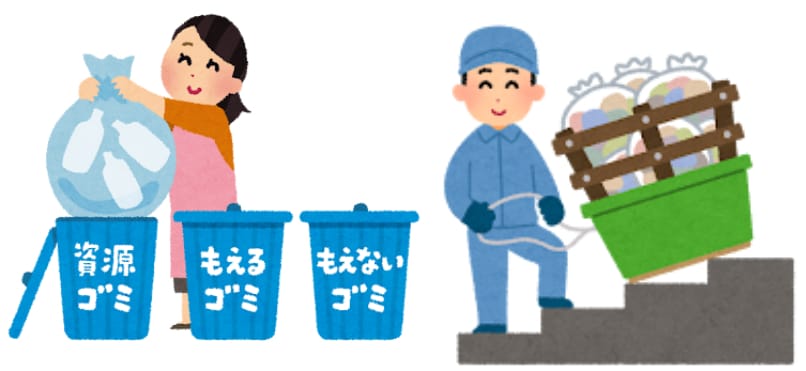
Essential Vocabulary for Waste Disposal
Understanding these words will help you navigate the local “Garbage Calendar” provided by your city hall.
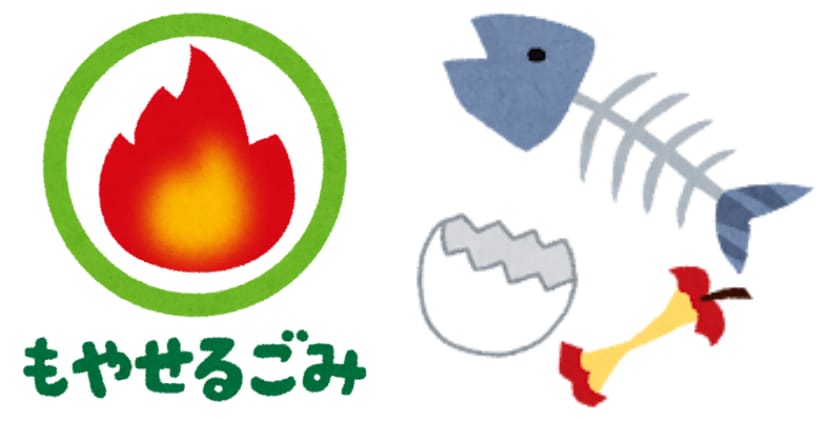
可燃ごみ (Burnable Waste)
Kanen Gomi: Combustible items like food scraps, paper, and small rubber/leather goods.
- Note: Food waste should be drained of water before disposal.
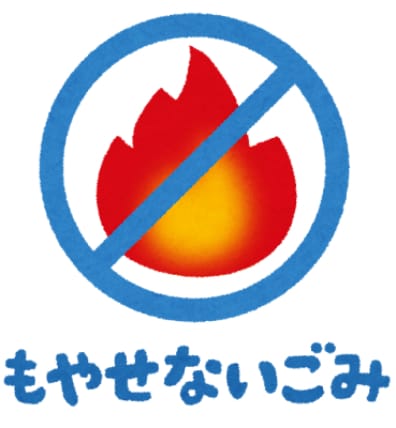
不燃ごみ (Non-burnable Waste)
Funen Gomi: Items that cannot be burned, such as glass, light bulbs, and small metal objects.
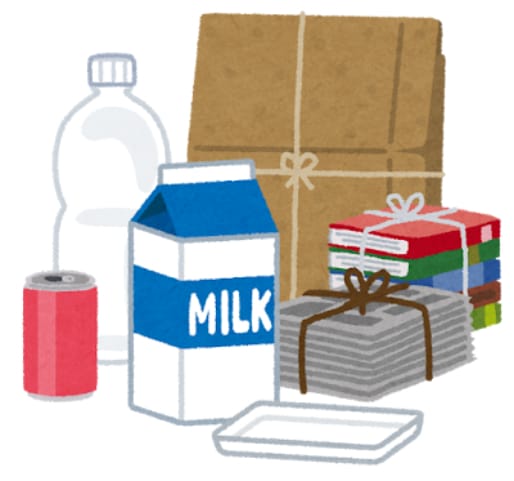
資源ごみ (Recyclables)
Shigen Gomi: Items for recycling, such as:
- ペットボトル (PET bottles): Remove caps and labels!
- 空き缶 (Cans): Rinse them out.
- 段ボール (Cardboard): Fold and tie with string.
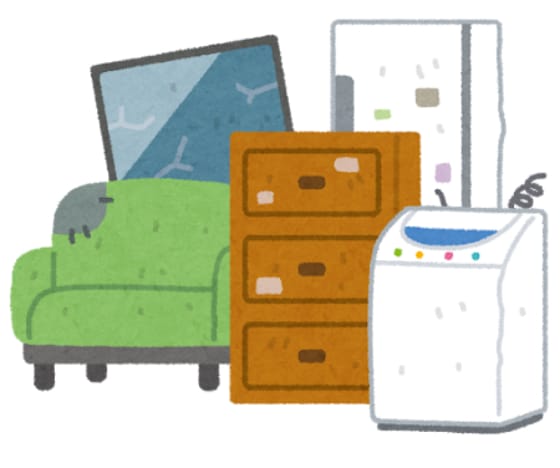
粗大ごみ (Oversized Trash)
Sodai Gomi: Furniture or large appliances.
- Note: You usually need to call a collection center and pay a small fee in advance.
5 Key Rules for Your 新生活 (New Life)
- Check the Schedule: Each neighborhood has a specific calendar (ごみ収集日). For example, Burnables might be Tuesdays and Fridays.
- Use Designated Bags: Many cities require specific colored bags (指定ごみ袋) available at supermarkets or convenience stores.
- Morning Pick-up: Always put your trash out on the morning of the collection day (usually by 8:00 AM). Never put it out the night before, as crows or cats might tear the bags!
- The “Net” Rule: If your collection point has a blue net (カラス除けネット), make sure to tuck your bags completely underneath it to protect them from birds.
- Wash it Out: For recyclables, a quick rinse is essential. Clean trash keeps the collection point from smelling.
Tips for International Students
Managing your home is a big part of your study abroad experience. Here are a few phrases you might use:
- ごみ置き場はどこですか? (Gomi okiba wa doko desu ka?) → Where is the trash collection point?
- 今日は何のごみの日ですか? (Kyō wa nan no gomi no hi desu ka?) → What kind of trash is collected today?
Final Thoughts
Learning the “Gomi Rules” is one of the best ways to show you are a responsible member of Japanese society. It might feel like a lot to remember, but your neighbors will appreciate your effort to keep the town beautiful!
Start your journey with DEOW Japan.
We help you with everything from finding a school to understanding local customs.